 ESD Protection Starts with the Right Packaging
30.3.2026
ESD Protection Starts with the Right Packaging
30.3.2026
ESD damage is deceptive. A component that continues to function after an electrostatic discharge event may still carry latent defects that only cause failure weeks or even months later under operating conditions in the field. By that time, tracing the root cause is often nearly impossible, and the impact extends far beyond the affected component.
A significant portion of the risk does not originate at the ESD workstation itself, but earlier in the process: during incoming delivery, intermediate storage, internal transportation between departments, goods receipt, and the shipment of finished assemblies. These interfaces are frequently overlooked.
Electrostatic discharge (ESD) always follows the same basic principle: two objects with different electrical potentials come into contact, causing a rapid discharge of electrical energy.
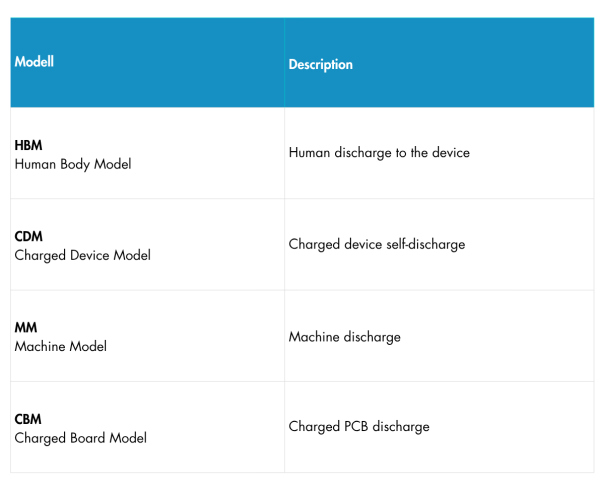
Several discharge models are relevant in practice. The following are some of the most common examples:
A common misconception in practice is that any colored or specially designed packaging is automatically “ESD-safe.” In reality, there are fundamentally different protection mechanisms, each designed for specific applications and risk scenarios.
What many people do not realize is that an ESD marking on the packaging is not a guarantee of suitability. The printed symbol merely indicates an intended protective function. Whether the packaging is actually appropriate for your specific application, components, and transportation conditions is a different matter altogether.
That is why our clear recommendation is: seek expert advice before purchasing. Do you need conductive, dissipative, or shielding packaging? Is a simple bag sufficient, or is a rigid container required? What do the applicable standards specify for your process chain? These questions depend on your components, storage conditions, and transport requirements and cannot be answered with a one-size-fits-all approach.
Before placing an order, request sample materials. Measure the surface resistance using an ESD multimeter, verify the shielding effectiveness, and only then consider switching to a new packaging solution. Those who rely solely on product descriptions or printed markings risk unnecessary costs at best and undetected ESD damage in production at worst.
Even the best packaging cannot provide adequate protection if basic handling rules are ignored. Based on our practical experience, the following points are particularly critical:
Secure Process Interfaces
Goods receiving and shipping areas are structurally outside the EPA (ESD Protected Area). If shielding packaging is not used at these interfaces, components may already be damaged before entering the production process.
Verify Packaging Integrity
Torn, repeatedly opened, or deformed shielding bags no longer provide reliable protection. Reuse should only be considered after visual inspection and electrical verification.
Apply ESDS Identification Consistently
Every package containing ESD-sensitive devices (ESDS) should be clearly marked with the ESDS symbol, including during internal handling and transportation. This ensures that the associated risk remains visible to everyone involved.

Selecting the right packaging is only one part of a larger ESD protection system. A standards-compliant ESD control program considers the entire process chain—from incoming goods and storage to internal transportation, manufacturing, and final shipment to the customer.
Key questions include:
We help companies answer these questions systematically—not through one-size-fits-all solutions, but through concepts tailored to the specific application, component sensitivity, and process requirements. From simple packaging solutions to fully integrated EPA concepts, we support the implementation of effective and sustainable ESD protection strategies.
Entdecken Sie neue Trends und spannende Entwicklungen in unserem Newsletter! Erhalten Sie Expertenwissen regelmäßig in Ihrem Postfach.
Anyone conducting an ESD audit or seeking to verify the effectiveness of an ESD control program will quickly face a crucial question: What kind of measuring[...]
Read moreIn modern electronics manufacturing, the annual inspection of all ESD protection devices in accordance with DIN EN 61340-5-1 is a critical component of quality management; in[...]
Read more
Consistent Soldering Processes Through Precise Analysis
Quality in the soldering process begins in the solder bath.
A stable and defect-free soldering process is crucial to the reliability of[...]
Why the sparktrap® EPA SafeAssure® Is Replacing Traditional Resistance Meters
Industrial laundry service providers bear a great deal of responsibility: Leading industrial companies rely on their ESD[...]
The True Cost of Manual Inspection Routines in Electronics Manufacturing
In modern manufacturing environments characterized by a wide variety of product variants and small batch sizes, as[...]