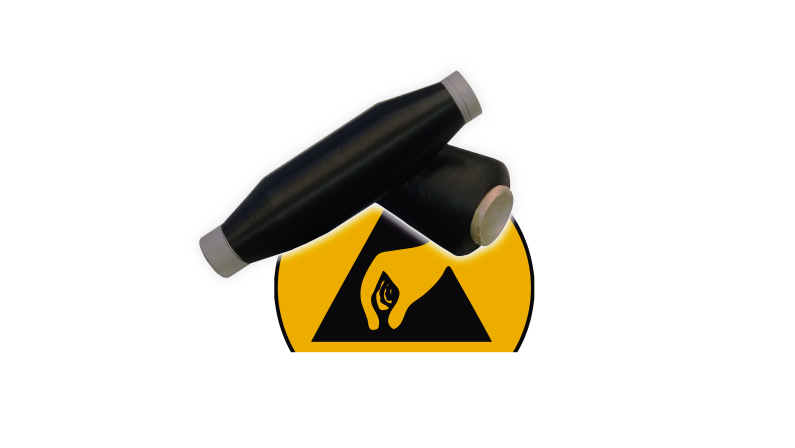
 Electrically conductive fibers
30.7.2024
Electrically conductive fibers
30.7.2024
Electrically conductive fibers are special fibers that are used in textiles such as our KETEX ESD workwear should be used to prevent electrostatic charging.We use the conductive Belltron® fiber for our ESD protective clothing.
Belltron® fibers are a special type of conductive fiber known for their excellent electrostatic properties and versatility.
Properties of Belltron® fibers
Excellent conductivity:
Belltron® fibers are highly conductive and offer effective protection against electrostatic charges. This conductivity is achieved by incorporating metal fibers or conductive materials into the fibers.
Antistatic properties:
These fibers are specially designed to dissipate electrostatic charges, making them ideal for use in ESD protective clothing and other antistatic applications.
Longevity:
Belltron® fibers are robust and resistant to mechanical stress, which increases their durability and effectiveness in textiles and other materials.
Extensive conformity with standards and norms:
Belltron® fibers comply with international standards and norms for ESD protection, which guarantees their reliability and effectiveness.
Flexibility and comfort:
Despite their conductive properties, Belltron® fibers remain flexible and soft, allowing them to be integrated into clothing and textiles without compromising comfort.
Environmental friendliness:
Belltron® fibers can be produced in environmentally friendly processes and contribute to sustainability by extending the life of products and increasing their reusability.
Belltron® fibers offer an effective solution in the field of ESD protection and the versatile properties make the fiber a valuable resource.
Entdecken Sie neue Trends und spannende Entwicklungen in unserem Newsletter! Erhalten Sie Expertenwissen regelmäßig in Ihrem Postfach.
Anyone conducting an ESD audit or seeking to verify the effectiveness of an ESD control program will quickly face a crucial question: What kind of measuring[...]
Read moreIn modern electronics manufacturing, the annual inspection of all ESD protection devices in accordance with DIN EN 61340-5-1 is a critical component of quality management; in[...]
Read more
Consistent Soldering Processes Through Precise Analysis
Quality in the soldering process begins in the solder bath.
A stable and defect-free soldering process is crucial to the reliability of[...]
Why the sparktrap® EPA SafeAssure® Is Replacing Traditional Resistance Meters
Industrial laundry service providers bear a great deal of responsibility: Leading industrial companies rely on their ESD[...]
The True Cost of Manual Inspection Routines in Electronics Manufacturing
In modern manufacturing environments characterized by a wide variety of product variants and small batch sizes, as[...]